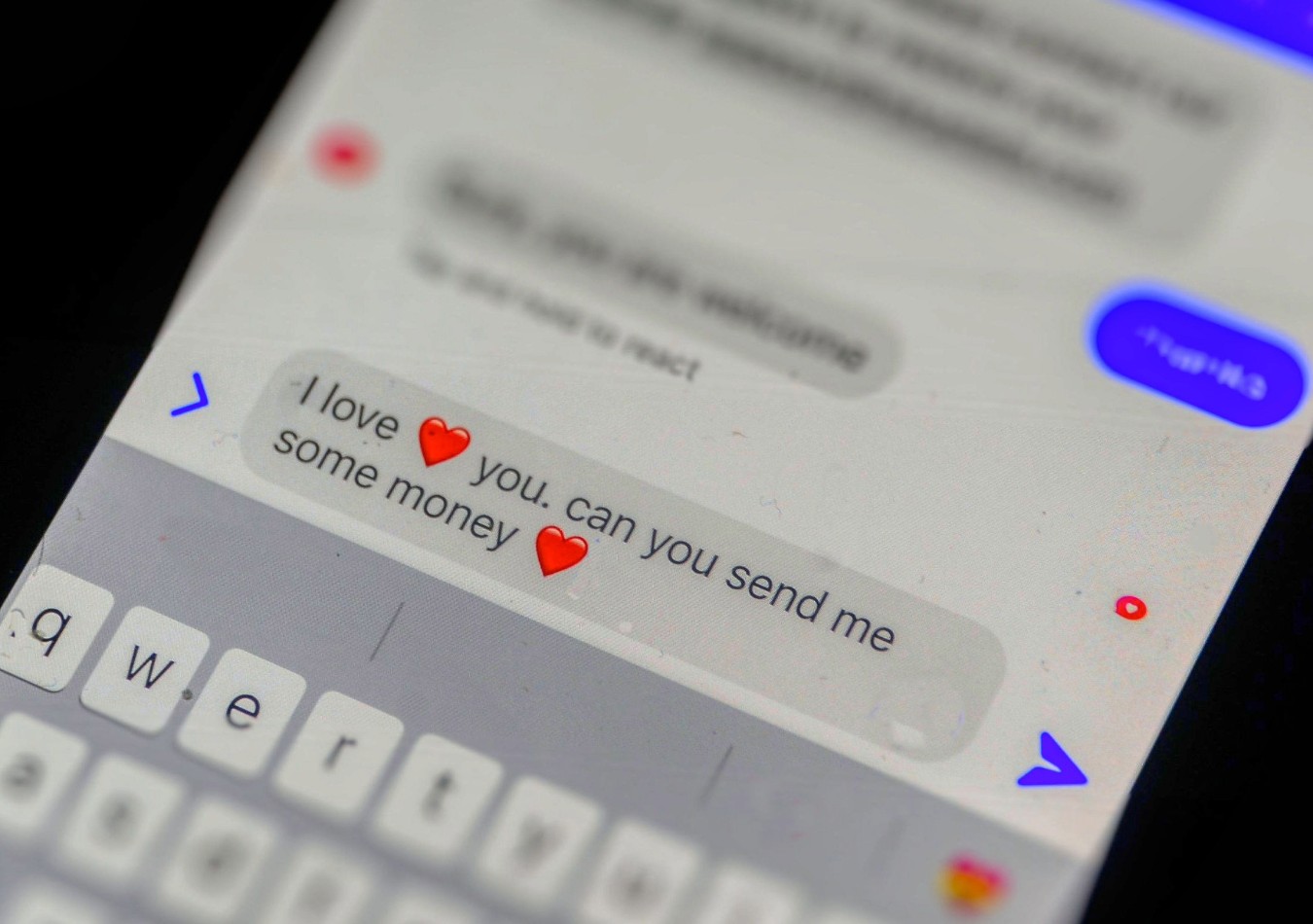
When Online Affection Turns into Financial Fraud
Romance scams occur when a criminal creates a fake online identity to gain someone’s affection and trust—then uses that relationship to steal money, personal information, or access to financial accounts.
These scams can be emotionally devastating because they often begin with what feels like a genuine connection. Scammers are skilled at creating believable stories, building trust over time, and exploiting a person’s desire for companionship, love, or financial security.
How Romance Scams Work
Fake Online Profiles
Romance scammers commonly use dating apps, social media, and messaging platforms to find potential victims. Their profiles may feature stolen photos of models, military personnel, construction workers, or other appealing individuals. Increasingly, scammers also use AI-generated images that can appear highly realistic.
Rapid Affection and “Love Bombing”
Once contact begins, the scammer may quickly shower the victim with attention, compliments, and declarations of love. They may talk about a future together, promise marriage, or claim they have never felt such a strong connection before.
This intense affection—often called love bombing—is meant to create an emotional bond before the victim has time to recognize warning signs.
Excuses to Avoid Meeting
Scammers frequently claim they live far away, work overseas, or are serving in the military. They may repeatedly cancel plans to meet in person or avoid video calls altogether.
Their stories often involve sudden emergencies, work obligations, medical issues, travel complications, or problems with legal documents.
Requests for Money
After building trust, the scammer eventually asks for money. They may claim they need help with:
- A medical emergency
- Travel expenses to come visit
- Legal fees or customs charges
- A family crisis
- Business or employment problems
- Temporary access to funds while they are overseas
They may ask for wire transfers, gift cards, payment-app transfers, cryptocurrency, or account information. Once money is sent, it can be extremely difficult—or impossible—to recover.
Investment and Cryptocurrency Scams
Some romance scams develop into fraudulent investment schemes, sometimes called “pig butchering” scams. The scammer may encourage the victim to invest in cryptocurrency, foreign exchange, or a supposedly high-return investment opportunity.
They may initially show fake profits through a convincing-looking website or app. But when the victim tries to withdraw funds, they may be told to pay additional “fees” or taxes—or discover that the entire investment platform was fraudulent.
Warning Signs to Watch For
Be cautious if someone you meet online:
- Moves the conversation quickly from a dating app or social media platform to WhatsApp, Telegram, or another private messaging app
- Declares deep love, discusses marriage, or makes major promises before meeting face-to-face
- Refuses video chats or repeatedly cancels plans to meet
- Claims to be overseas, in the military, working on an oil rig, or otherwise unable to meet
- Requests money, gift cards, cryptocurrency, or help opening a bank or crypto account
- Asks you to receive or move money on their behalf
- Creates urgency around an emergency, investment opportunity, or deadline
- Pressures you to keep the relationship or financial requests secret
A simple rule can help: Never send money or share financial information with someone you have only met online.
What to Do If You Are Targeted
If you believe you may be communicating with a romance scammer, act quickly.
- Stop contact immediately.
Block the person on dating apps, social media, email, and messaging platforms. - Do not send money or assets.
Do not wire funds, purchase gift cards, send cryptocurrency, share account credentials, or provide personal information. - Verify their identity.
Try a reverse image search using their profile photos. You may discover that the images belong to someone else or appear on multiple unrelated profiles. - Contact your financial institution right away.
If you’ve sent money through a bank, credit card, payment app, or other financial service, report it immediately. Prompt action may improve the chance of stopping or reversing a transaction. - Report the scam.
Consider reporting the fraud to the Federal Trade Commission (FTC) and the FBI’s Internet Crime Complaint Center (IC3). Reports can help authorities identify scam patterns and protect others.
Helping Someone You Care About
It can be difficult to talk with a friend or family member who may be involved in a romance scam. They may feel embarrassed, defensive, or deeply attached to the person they believe they know.
Approach the conversation with compassion rather than judgment. Ask gentle questions, such as:
- How long have you been talking with this person?
- Have you met in person or spoken by live video?
- Have they asked for money, cryptocurrency, bank information, or account access?
- Have they asked you to keep the relationship or financial requests secret?
Remind them that anyone can be targeted. Romance scammers are professional manipulators, and seeking help is a sign of strength—not something to be ashamed of.